

Some destinations impress visitors with famous landmarks. Others leave a lasting impression through the way everything fits together. Bahia belongs to the second category.
Here, architecture is rarely separated from the landscape, and art isn’t confined to galleries or museums. Instead, nature, craftsmanship, and design work together to shape towns, neighborhoods, and coastal retreats that feel authentic rather than manufactured.
From the colorful streets of historic communities to contemporary oceanfront villas surrounded by tropical gardens, Bahia reflects centuries of cultural influence while embracing modern design. Understanding this relationship offers a richer perspective on the region and explains why a luxury escape in Bahia feels unlike anywhere else in Brazil.
A Cultural Heritage Built Over Centuries
Bahia’s visual identity has evolved through generations of cultural exchange.
Indigenous communities understood how to build in harmony with the climate long before European settlement. Their knowledge of local materials, ventilation, and natural surroundings laid the foundation for architecture that respected the environment.
Portuguese influence later introduced colonial churches, courtyards, decorative facades, and handcrafted stonework, many of which remain defining features throughout the region.
Over time, African traditions, local artisans, and contemporary architects added new ideas, creating a style that is unmistakably Bahian—rich in history yet constantly evolving.
Rather than replacing earlier influences, each generation has added another layer to Bahia’s architectural story.
Nature Shapes Every Design Decision
In many destinations, buildings dominate the landscape.
In Bahia, the landscape often shapes the buildings instead.
Architects carefully consider prevailing ocean breezes, sunlight, native vegetation, and the natural contours of the land before designing a home or villa. Large openings invite fresh air inside, covered terraces create comfortable outdoor living areas, and tropical gardens become natural extensions of interior spaces.
This thoughtful relationship between architecture and nature reduces the need for unnecessary barriers between indoors and outdoors.
Visitors don’t simply observe the landscape—they become part of it.
The Beauty of Natural Materials
One characteristic shared by many of Bahia’s most distinctive buildings is the use of natural materials.
Rather than relying heavily on polished surfaces or excessive ornamentation, designers frequently incorporate elements that reflect the surrounding environment.
Common materials include:
- Locally sourced hardwoods
- Natural stone
- Clay tiles
- Woven fibers
- Handcrafted ceramics
- Textured concrete
- Native tropical timber
These materials age gracefully while complementing the colors and textures found throughout the region.
The result is architecture that feels timeless rather than driven by short-lived design trends.
Local Craftsmanship Adds Character
Behind many of Bahia’s most beautiful spaces are skilled local artisans whose work preserves generations of traditional craftsmanship.
Handmade furniture, woven lighting, carved wood details, ceramic pieces, and handcrafted textiles often become defining elements within homes and hospitality spaces.
These details add warmth and individuality that mass-produced furnishings rarely achieve.
Supporting local craftsmanship also strengthens regional communities by preserving valuable skills that have been passed from one generation to the next.
For visitors, these artistic touches provide an authentic connection to Bahia’s creative culture.
Color Reflects the Spirit of Bahia
Color plays an important role throughout the region.
Historic buildings feature cheerful facades, artisan markets display vibrant handmade products, and flowering tropical plants naturally complement architectural design.
Rather than appearing carefully staged, these combinations have developed organically over time.
Soft earth tones blend with lush greenery, while brighter colors celebrate the joyful energy for which Bahia is widely known.
This visual richness contributes to the welcoming atmosphere found throughout many Brazil coastal towns, where every street offers something new to discover.
Outdoor Living Is Part of Everyday Life
One of Bahia’s defining architectural characteristics is its emphasis on outdoor living.
Instead of treating terraces, gardens, and courtyards as secondary spaces, they become essential parts of everyday life.
Shaded verandas invite conversation during warm afternoons. Open-air dining areas encourage shared meals surrounded by nature. Landscaped gardens provide privacy while allowing native vegetation to flourish.
This seamless transition between interior comfort and outdoor beauty reflects the region’s favorable climate and relaxed lifestyle.
It’s an approach that encourages people to slow down, spend more time outside, and appreciate the surrounding environment.
Contemporary Architecture Inspired by Tradition
Modern architecture throughout Bahia demonstrates that innovation doesn’t require abandoning tradition.
Many contemporary homes reinterpret regional design principles using clean lines, sustainable materials, expansive glass, and minimalist interiors while maintaining a strong connection to local culture.
Instead of copying historical styles, today’s architects often preserve what matters most:
- Natural ventilation
- Strong indoor-outdoor relationships
- Locally inspired materials
- Respect for the landscape
- Human-centered living spaces
This balance allows modern buildings to feel both sophisticated and deeply rooted in their surroundings.
Blue Bauhaus: Where Design Belongs to the Landscape
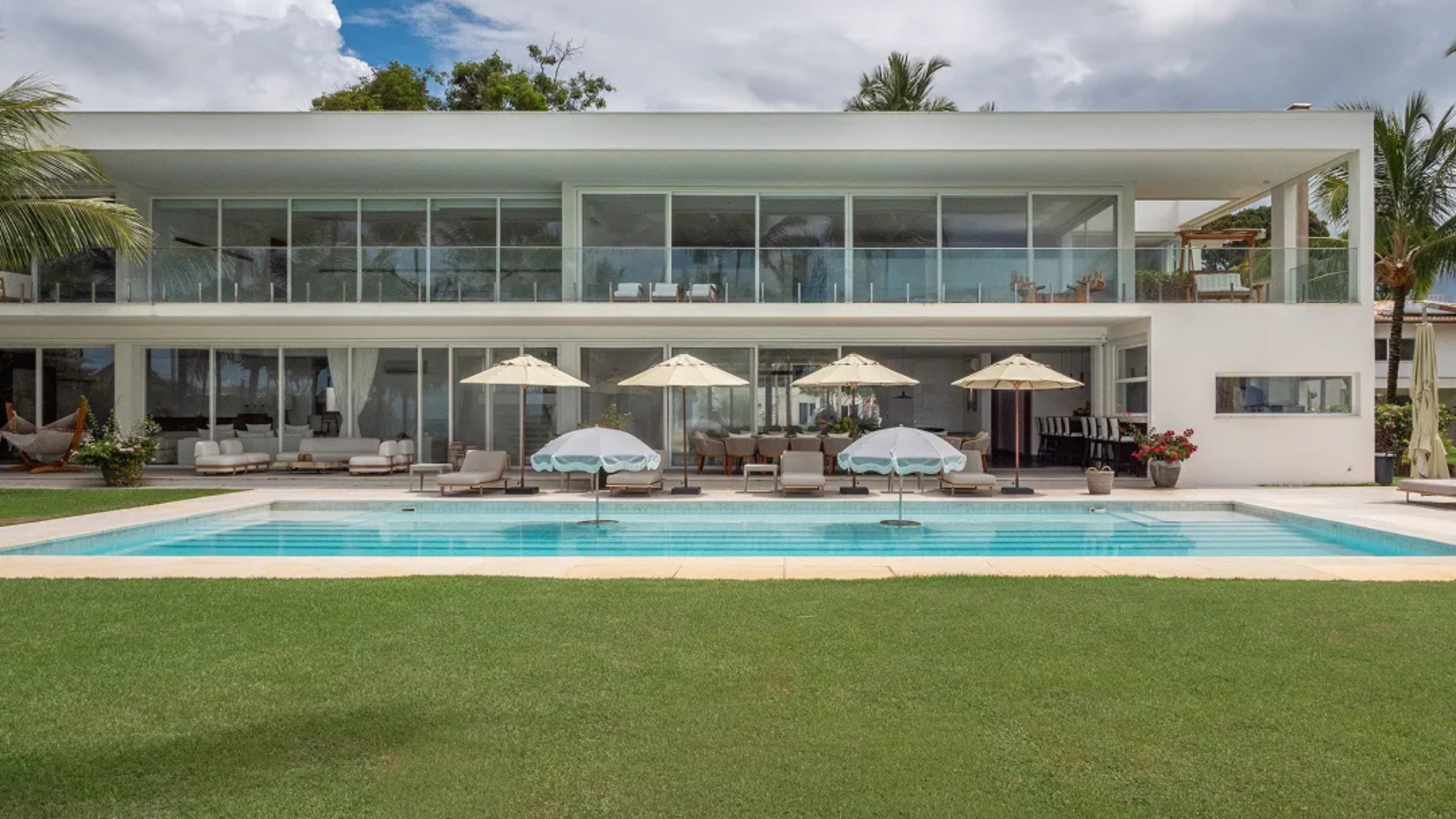
Blue Bauhaus reflects many of the architectural values that define contemporary Bahia.
Rather than competing with its coastal setting, the villa embraces it. Expansive windows capture natural light, carefully selected materials echo the surrounding environment, and open living spaces encourage a constant connection with the ocean and tropical landscape.
The architecture prioritizes simplicity without sacrificing comfort. Every design decision—from the choice of textures to the arrangement of outdoor areas—supports a lifestyle shaped by nature rather than separated from it.
This thoughtful integration allows guests to experience a luxury escape in Bahia that feels authentic, peaceful, and closely connected to the destination itself.
More Than Beautiful Buildings
Architecture alone doesn’t create memorable places.
It is the combination of local artistry, native landscapes, skilled craftsmanship, and cultural heritage that gives Bahia its unmistakable identity. Every handcrafted detail, every shaded courtyard, and every tropical garden contributes to an environment where beauty feels effortless rather than designed for display.
For travelers exploring the region, this harmony becomes part of the experience. Beyond the beaches and ocean views lies a destination where nature inspires architecture, architecture celebrates culture, and culture continues to shape the way people experience Bahia today.
Frequently Asked Questions
What influences Bahia’s architectural style?
Bahia’s architecture combines Indigenous knowledge, Portuguese colonial design, African cultural influences, and contemporary tropical architecture to create a distinctive regional style.
Why are natural materials commonly used in Bahia?
Natural materials such as wood, stone, clay, and woven fibers complement the tropical environment, improve sustainability, and reflect the region’s traditional craftsmanship.
How does nature influence architecture in Bahia?
Architects design buildings to maximize natural light, ocean breezes, outdoor living, and integration with surrounding landscapes rather than separating structures from nature.
Why is local craftsmanship important in Bahia?
Local artisans preserve traditional skills through handmade furniture, ceramics, textiles, and decorative elements that give homes and villas a unique sense of place.
How does Blue Bauhaus reflect Bahia’s design philosophy?
Blue Bauhaus blends contemporary architecture with natural materials, open spaces, and tropical surroundings, creating a luxury experience inspired by Bahia’s landscape and cultural heritage.
 English
  Portuguese