

Southern Bahia is famous for its beaches, Atlantic Forest, rivers, and coastal villages, but the region’s identity extends far beyond its natural beauty. It is also home to the Pataxó people, an Indigenous community with longstanding connections to the southern Bahia coast and surrounding territories. Learning about Pataxó culture gives travelers a deeper understanding of the region and the living heritage that continues to shape its communities today.
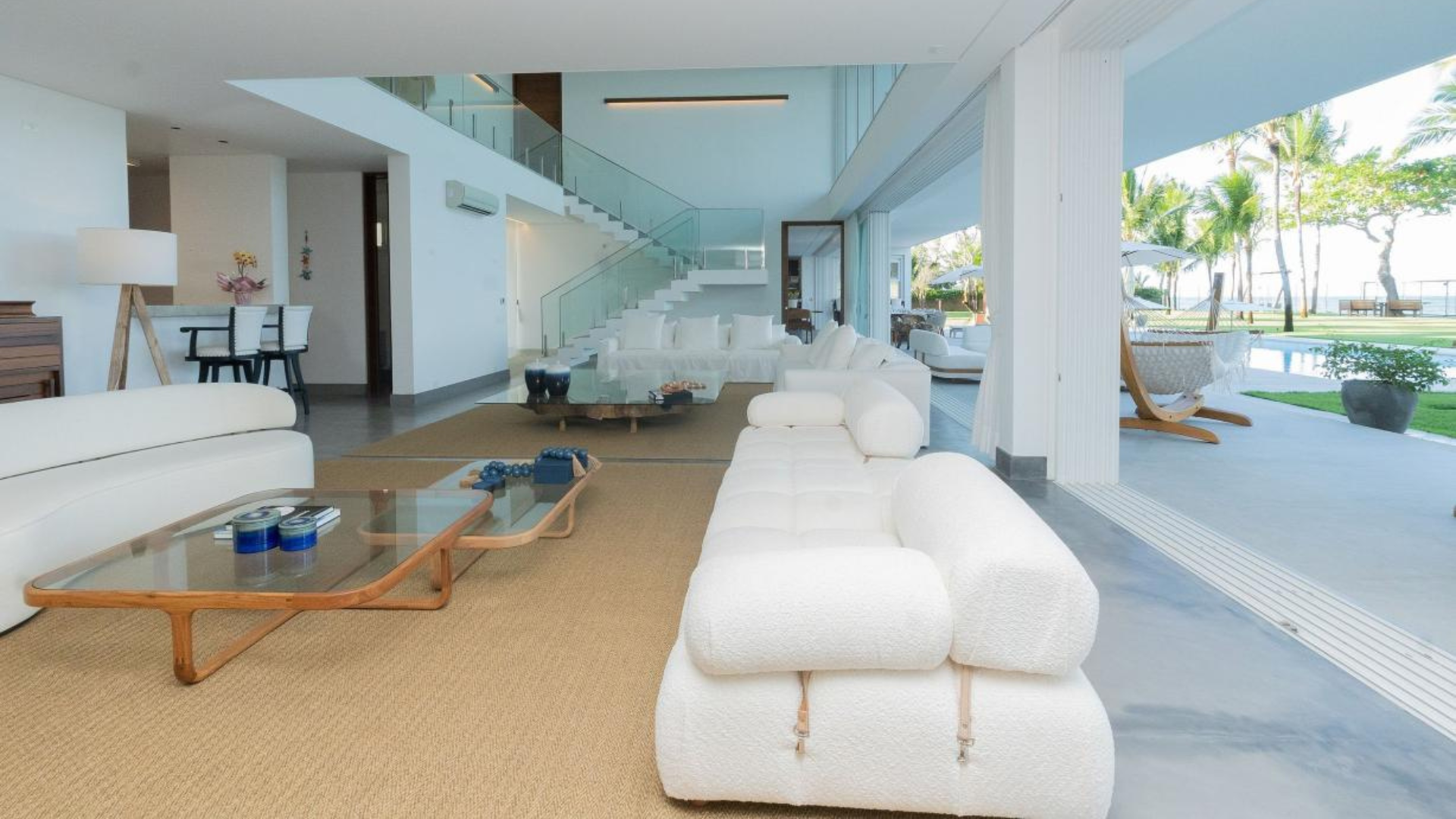
For visitors staying in a private beach house Bahia destination, exploring this cultural side of the region can add a meaningful dimension to a coastal journey. The Pataxó story is connected to language, traditional crafts, ceremonies, environmental knowledge, community identity, and a strong relationship with ancestral lands.
Pataxó People and Their Heritage in Bahia
The Pataxó are one of the Indigenous peoples historically connected with southern Bahia. Their communities are located across several areas of the region, including territories around Barra Velha, Coroa Vermelha, Monte Pascoal, and other Indigenous villages.
Their history has been shaped by centuries of contact, displacement, cultural pressure, and territorial struggles. Despite these challenges, Pataxó communities have continued to strengthen their identity and revive cultural practices that were suppressed during earlier periods.
Today, Pataxó culture remains part of contemporary community life rather than existing only as a historical tradition. Families, educators, artisans, cultural leaders, and younger generations all contribute to preserving and developing their heritage.
Pataxó Culture and the Connection to Coastal Territory
For the Pataxó, land is closely connected to identity, history, spirituality, and traditional knowledge. Forests, rivers, beaches, and other natural spaces can carry cultural significance that goes beyond their physical environment.
This relationship is particularly important in southern Bahia, where Indigenous territories are surrounded by ecosystems associated with the Atlantic Forest and coastal landscapes. Traditional knowledge can include understanding local plants, natural materials, food sources, and culturally important places.
Travelers choosing a private beach villa Bahia experience can therefore look at the surrounding landscape from another perspective. The coastline is not simply a scenic setting for a holiday. It is also part of a cultural environment with generations of Indigenous history.
Patxohã: Reviving an Indigenous Language
Language is an essential part of cultural identity, and the revitalization of Patxohã is an important part of contemporary Pataxó cultural work.
Historical pressures contributed to the decline of the Pataxó language, with Portuguese becoming dominant in everyday communication. In response, Pataxó communities have worked to recover, teach, and strengthen Patxohã among younger generations.
Language revitalization helps preserve more than individual words. It can also maintain cultural concepts, traditional knowledge, stories, relationships with nature, and ways of understanding the world. For travelers, learning about Patxohã is an opportunity to recognize that Indigenous culture includes language as a living and evolving part of community identity.
Traditional Pataxó Crafts and Cultural Expression
Pataxó craftsmanship is one of the most visible forms of cultural expression visitors may encounter in southern Bahia. Artisans create necklaces, bracelets, earrings, decorative pieces, traditional adornments, and other handmade items using materials such as seeds, wood, natural fibers, and other locally sourced resources.
These objects can represent much more than souvenirs. Craft traditions may reflect knowledge passed between generations, creativity, relationships with the natural environment, and economic activity within Indigenous communities.
Travelers staying in a luxury beachfront villa Brazil destination can support this cultural economy by purchasing authentic handmade products directly from Indigenous artisans when opportunities are available. Asking about the meaning, materials, and maker of an item can make the experience more informative and respectful.
The Awê and Pataxó Cultural Traditions
The Awê is an important Pataxó cultural practice involving music, movement, collective participation, and spiritual expression. It has become an important part of cultural revitalization and the public expression of Pataxó identity.
Traditional songs, dances, body painting, adornment, and instruments such as maracás can all contribute to cultural gatherings. These traditions should not be viewed simply as performances designed for visitors. They have significance within the community and should be approached with respect.
Cultural experiences are most meaningful when travelers listen to community members and allow Indigenous hosts to explain their own traditions in their own context.
Respectful Indigenous Tourism in Bahia
Responsible tourism starts with recognizing that Indigenous communities are living communities, not tourist attractions. Travelers should follow local guidance, ask before photographing people or ceremonies, and respect areas where access may be restricted.
Some Indigenous tourism experiences require advance arrangements or community authorization. Booking through appropriate local channels helps ensure that the community has control over how its culture is shared and how visitors participate.
Respect also means avoiding stereotypes and treating traditional clothing, ceremonies, crafts, and cultural symbols as meaningful expressions of identity rather than simply photo opportunities.
Discovering Bahia Beyond Its Beaches
A visit to southern Bahia can offer far more than beautiful coastlines. Understanding Pataxó heritage allows travelers to see the region through the combined perspective of landscape, history, community, and culture.
For guests planning a stay through Blue Bauhaus, exploring the cultural heritage of southern Bahia can complement the privacy and beauty of a coastal retreat. A private beach house Bahia travelers choose for relaxation can also serve as a starting point for discovering the wider character of the destination.
The most meaningful coastal journeys are often those that leave visitors with a better understanding of the place, its people, and the stories that continue to shape it.
A Coastline Rich in Living Heritage
The Pataxó presence adds an essential cultural dimension to southern Bahia. From Patxohã and traditional crafts to the Awê and the enduring relationship with ancestral territory, Pataxó heritage continues to evolve while remaining deeply connected to the region.
For travelers, learning about this living heritage offers a chance to approach Bahia with greater awareness and respect. The coast is beautiful, but its deeper character comes from the people, histories, traditions, and communities that have called this landscape home for generations.
 English
  Portuguese